
Carry on England
From Brexit to beaches, camera in hand chasing the truth behind the flag, the pint and the myth of who we think we are.

During my 25+ year career as an English photojournalist, I’ve had the privilege to have worked on assignments in around 65 countries across the globe but it’s towards England that I have consistently pointed my lens. It’s my home, my passion and its people are the ones I want to understand most. I share a birthday with painter J. M. W. Turner and William Shakespeare, two of the greatest Englishmen that ever lived.
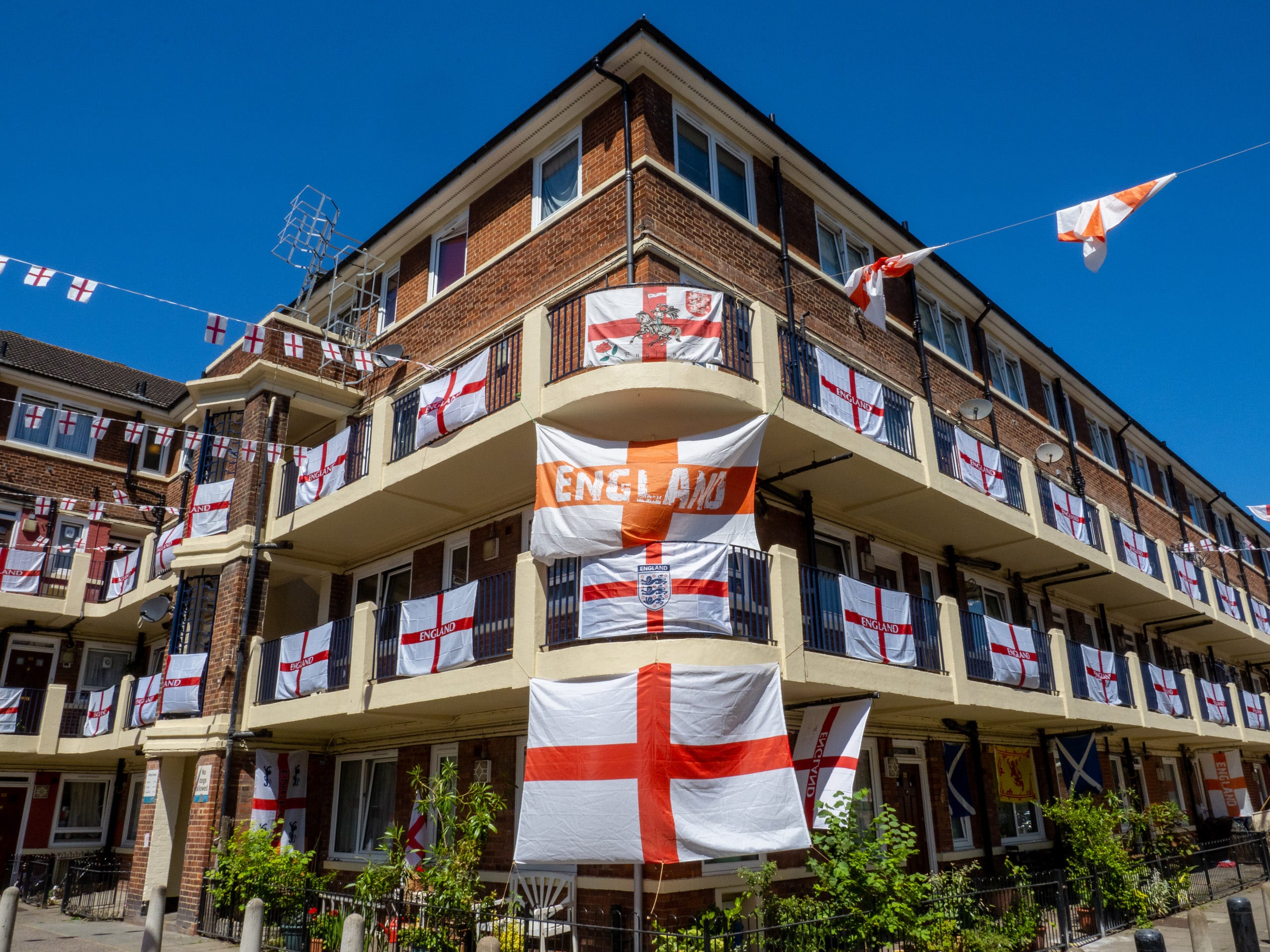
I was born on St. George’s Day, the patron saint of this great nation, whose day is shyly ignored. I can’t celebrate St. George’s Day - the far right have hijacked the English flag. If I run the red cross up the pole outside my home, the neighbours would think me a racist.
I grew up in the south coast town of Weymouth. From my first breath, sea-salt filled my nostrils, the sound of seagulls burst my eardrums and saturated colours startled the retina: deck chairs, puppet shows, arcades, sticks of rock, candy-floss and fairground rides. Weymouth is nearer to Paris than Edinburgh. I’m so southern I’m practically French. I should’ve received a ration of sun cream instead of milk at junior school. I don’t feel remotely Welsh, Northern Irish or Scottish. If France ever goes to war with Scotland, I’d choose to be Pierre not McDench.
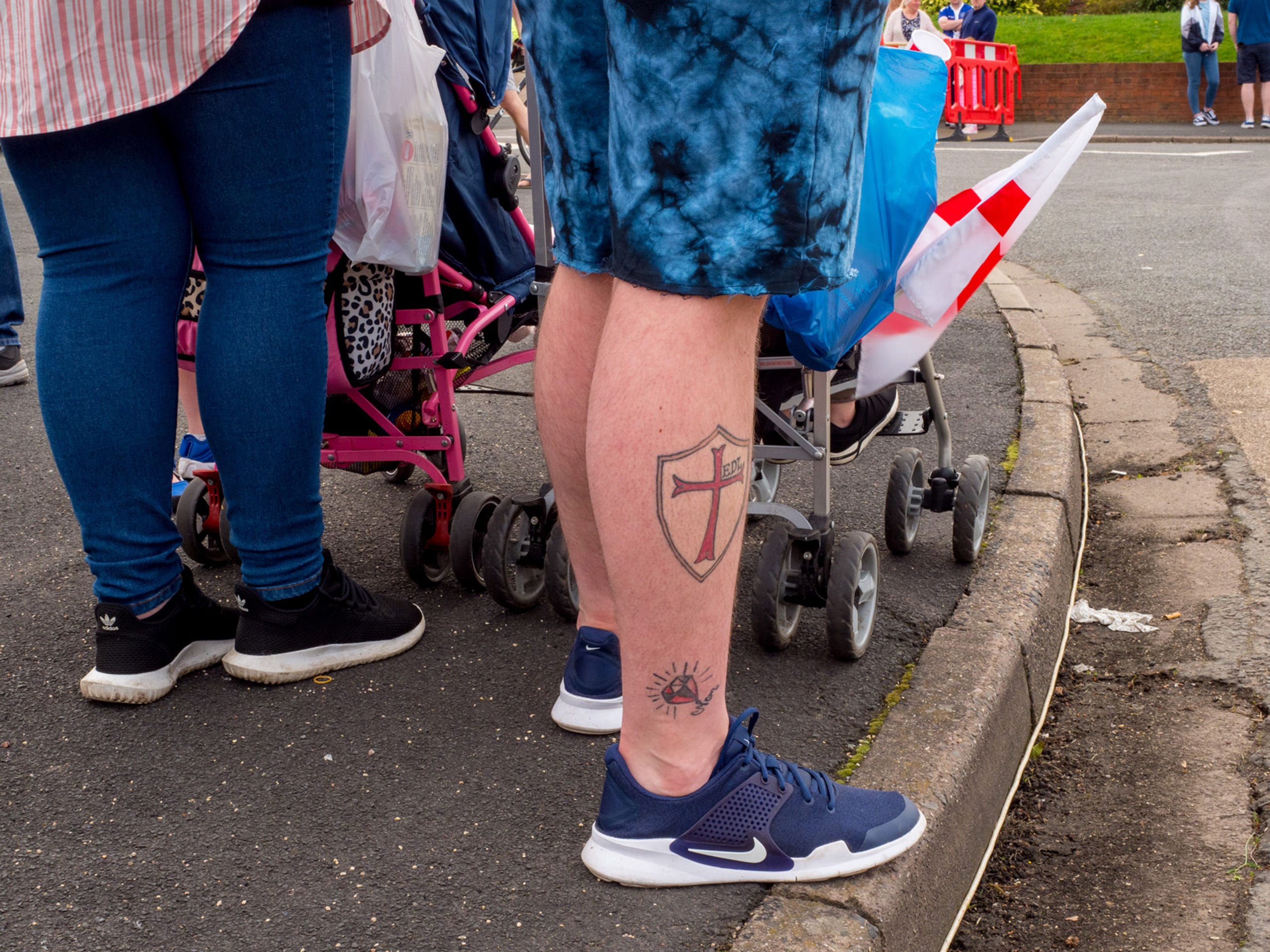
Weymouth in the 1980s was a violent place to grow up for a teenage boy. Portland naval base deposited horny sailors into the town most weekends. The train station deposited horny workers from the Midlands factories during the shutdown. The locals were always horny, mostly thirsty. Throw around 180 pubs and bars into the mix and something had to give. Often it was my chin. This was my introduction to England and I was confused. It wasn’t the idealised brochure of a green and pleasant land I’d seen advertised on television.
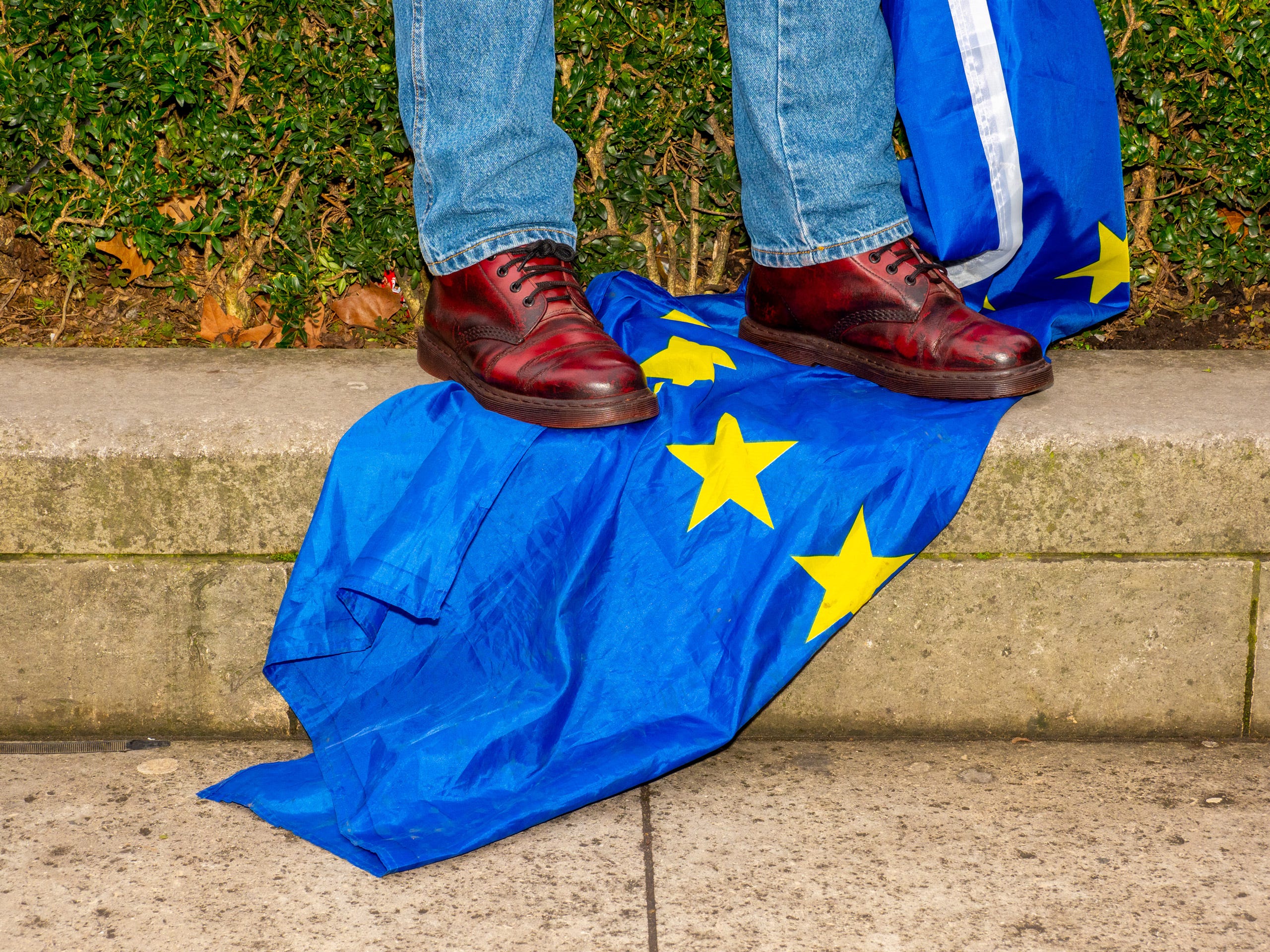
My understanding of England is constantly changing and being challenged. The English identity is in crisis, we’re shackled to a past that’s no longer relevant. A past when we were rulers of the world and could romp across a foreign field and cross borders without the need of a passport. Our global and European significance has waned, we’re floundering. How do we remain great? Were we ever great? Do we rule Britannia or has everyone already left the party and the tea gone cold? Maybe Brexit is the wake-up call we’ve been needing. Maybe we need to realise we are just a once great country and be humble party guests than strutting hosts. Perhaps we’ll take a long hard look at who we are now rather than who we were then?
Burnley
Shortly after the British public voted on 23 June 2016 with a slim margin of 51.8% to leave the European Union, I visited the former mill town of Burnley, with a typical hard-working, down-to-earth population, 20 miles north of Manchester. I wanted to find out the main reasons why nearly two-thirds of the population had voted out. The reason was clear - immigration. The Asian English wanted the Eastern Europeans out. The White English wanted everyone out. The waiter working a shift at the St. James’ cafe in the centre of Burnley explained what persuaded her to vote out: ‘Social media. All my friends were voting out. I didn’t really read up on the consequences… they’ll be no jobs left and that they have to build like 250,000 houses a day to keep all the immigrants in? I’m not quite sure.’ If social media is suggesting 250,000 houses are being built a day to house immigrants, that’s 91,250,000 new homes a year. More immigrants would be needed to build them - no wonder many believe England is full.
London
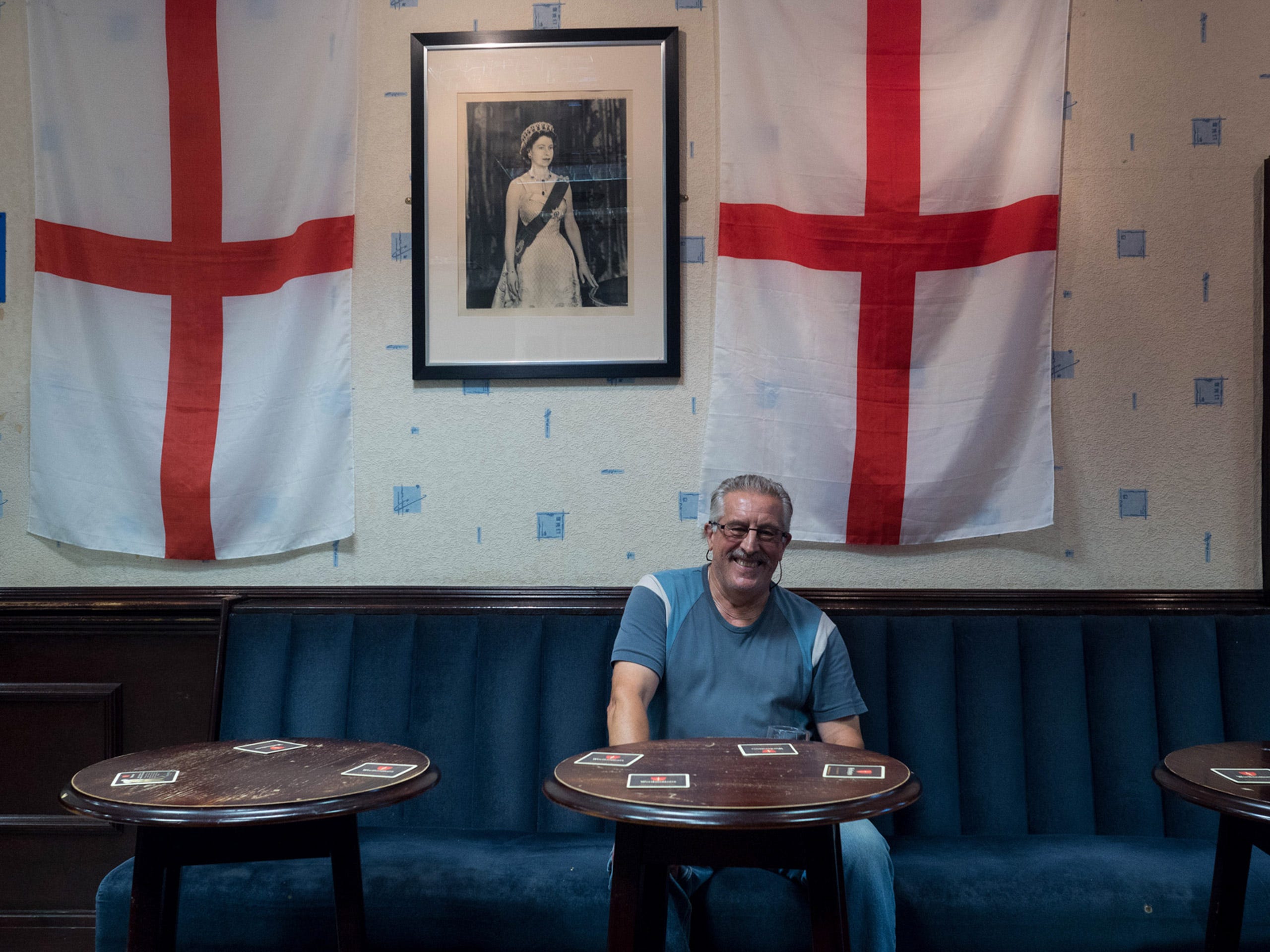
Perhaps because I grew up in a town with similar views to Burnley (61% of Weymouth and Portland voted to leave the EU), I’ve chosen to live most of my adult life in London, arguably the most multicultural city in the world. You can eat a meal from a different culture or photograph a different community every day of the year. I regularly take my camera to Southall, a suburban district of West London. The town has one of the biggest concentrations of South Asian people outside of the Indian subcontinent. Sometimes known as Little Punjab or Little India, over 50% of Southall’s population of 70,000 is Indian/Pakistani, with less than 10% being White British. Opened in 2003 and costing an estimated £17.5 million, the Gurdwara Sri Singh Sabha serves the Sikh community and remains one of the largest in Europe. Southall was also the location of the 1st pub in the UK to accept Rupees. The nearby Heathrow Airport provides employment for many who choose to make it their home. At the heart of the town is Villiers High School. The 1,300 students are from very diverse ethnic backgrounds: Indian, Pakistani and Black-Somali among the highest. Various first spoken languages are listed, and each of the planet's major religions are practised by at least one pupil.
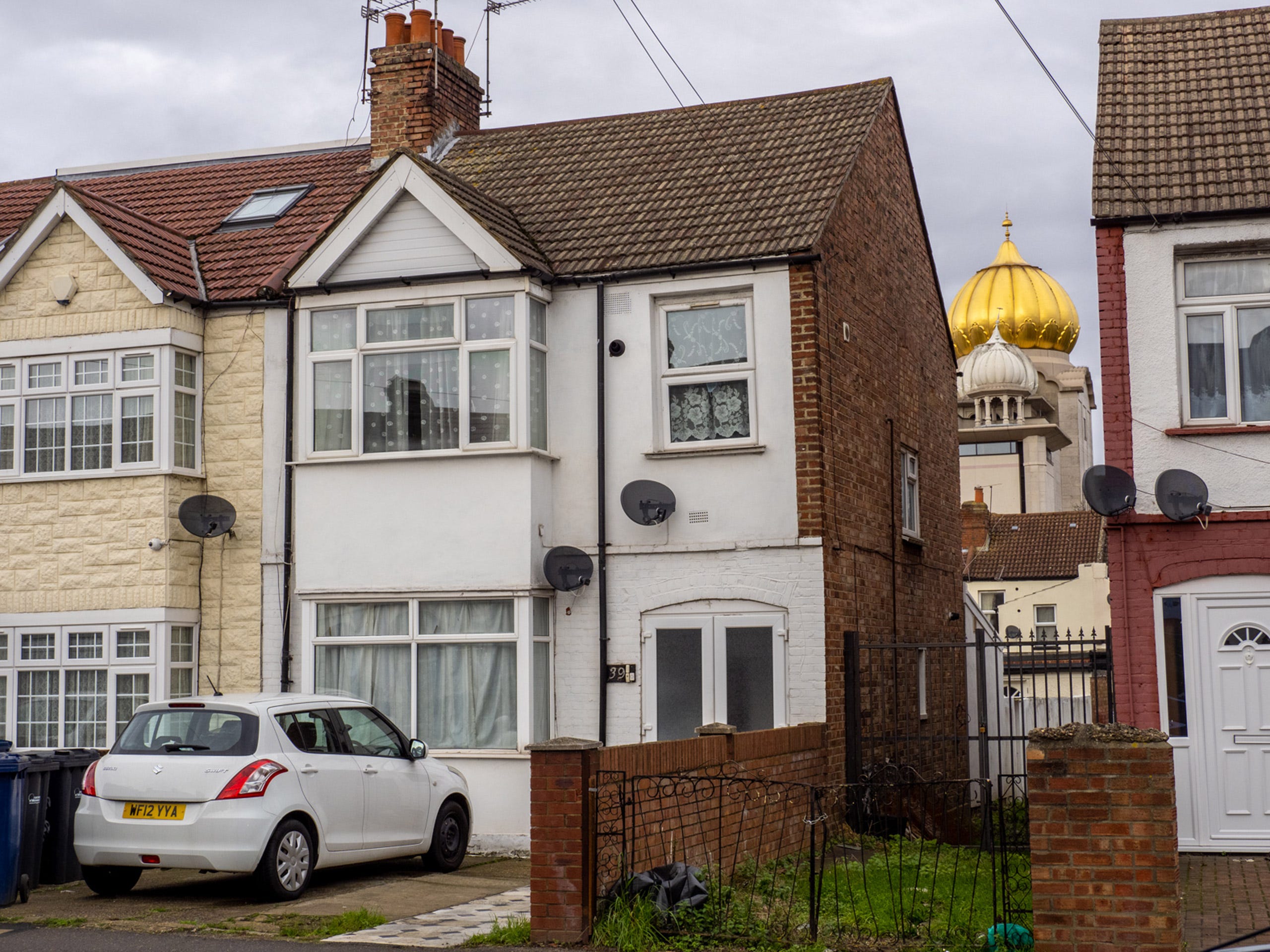
Most Southall residents describe themselves as a British Indian or British Pakistani. The biggest sporting rivalry is undoubtedly when India play Pakistan at Cricket. I consider Southall an anthropological and English success, but I doubt the residents of Burnley would agree. Living in the mostly harmonic bubble of London, I was complacent to assume an easy victory to remain in the EU. Burnley was a personal wake-up call that I was wrong about England and what the English wanted.
A1
The 2016 decision to leave the EU and the unconvincing outcome of the June 2017 general election had left the nation, communities and families divided. England’s longest numbered road would be my route to find them. The A1 is an artery that connects as much as it divides. It begins near St Paul’s in the City of London, zipping north through the suburbs of Bedfordshire, the industrial East Midlands, northeast England and crossing the border on the east coast of Scotland, ending around 410 miles later in Edinburgh. In May 2017 I set off along the A1, a route of certainty in a time of tumult, through a nation on the verge of change.
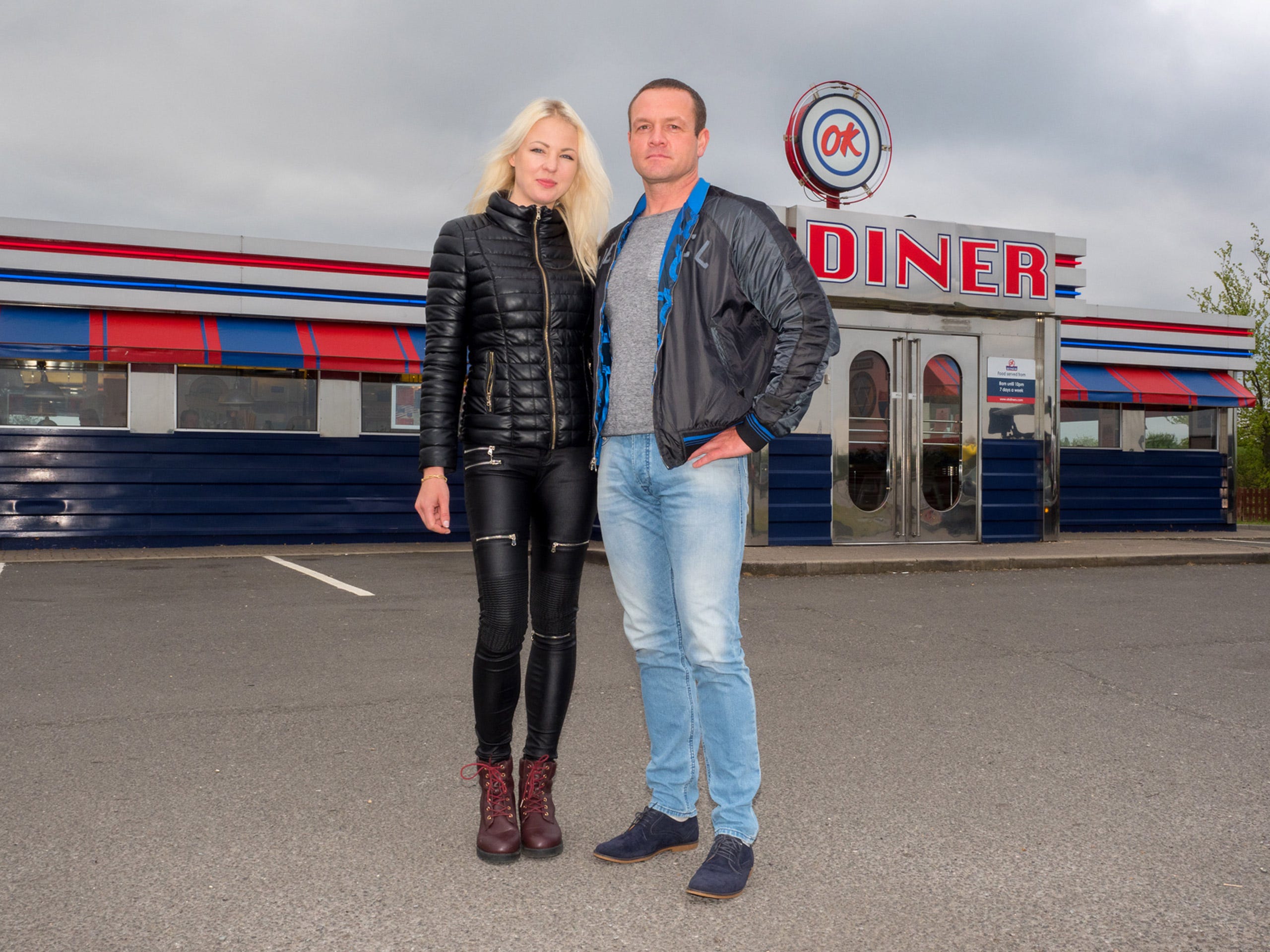
In the car-park at the OK Diner near Newark-on-Trent, I met Vilma and Darius. The Lithuanians have lived in Britain for over a decade and weren’t concerned about their post-Brexit residency. On the fringes of Morpeth, I met Alan, site manager at a Bellway Homes development, he expected all of the 125 new builds to sell quickly and some of them for over half a million pounds - a high-profile English cricketer had already bought one. Mark, selling fruit and veg on the Holloway Road in London, witnessed an increase in transportation and import costs but was optimistic the business will survive. For Pendleton and his wife Babs, business was poor. They had worked at a bleak roadside cafe for 27 long years (but not long enough to spell OMLET correctly on the menu).
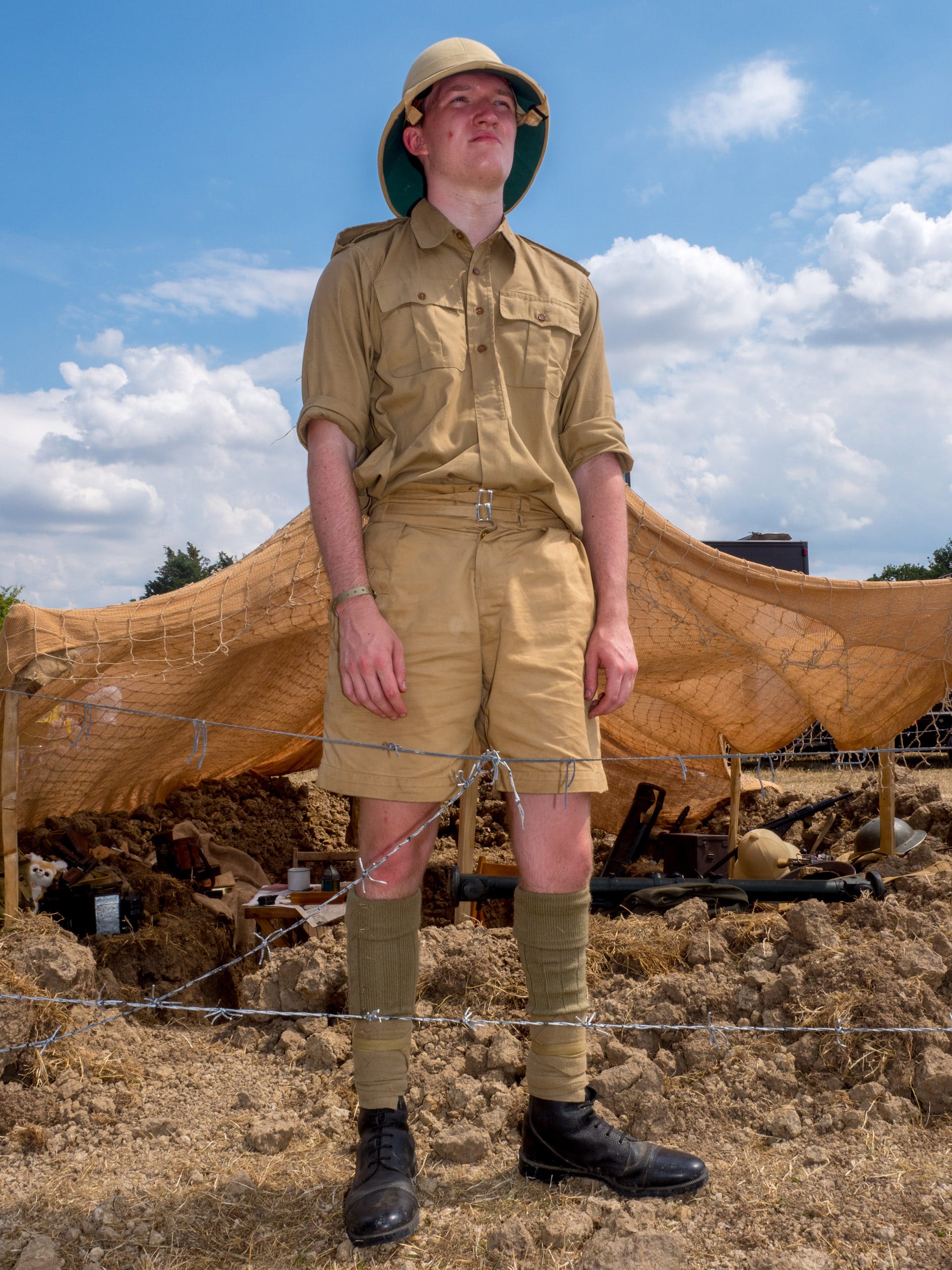
The Labour voters I met along the A1 said they are doing okay. The Conservative voters I met said they are doing okay. The elderly generally felt overlooked and isolated, voting to leave the EU was a final attempt to bring them closer to an England left far behind. If the stoicism, pride and determination of the people I met is an accurate reflection of the nation, England post-Brexit is going to be okay.
Alcohol
At each village, town or city I stopped along the A1, England’s favourite legal high was never far away. The presence of so many words and phrases in the English language to describe the state of inebriation surely says something about the English themselves: Pickled. Soused. Mullered. Blotto. Hog-whimpering. Pie-eyed. Tired and emotional. Downwind of a few. England is a nation that seeks the comfort of oblivion towards the bottom of a bottle. But why do the English tipple until they fall over? Is it to overcome the awkwardness inherent in a half-denied class system or because the English are more culturally advanced, and have realised there is no cure for the human condition but nice-tasting painkillers?
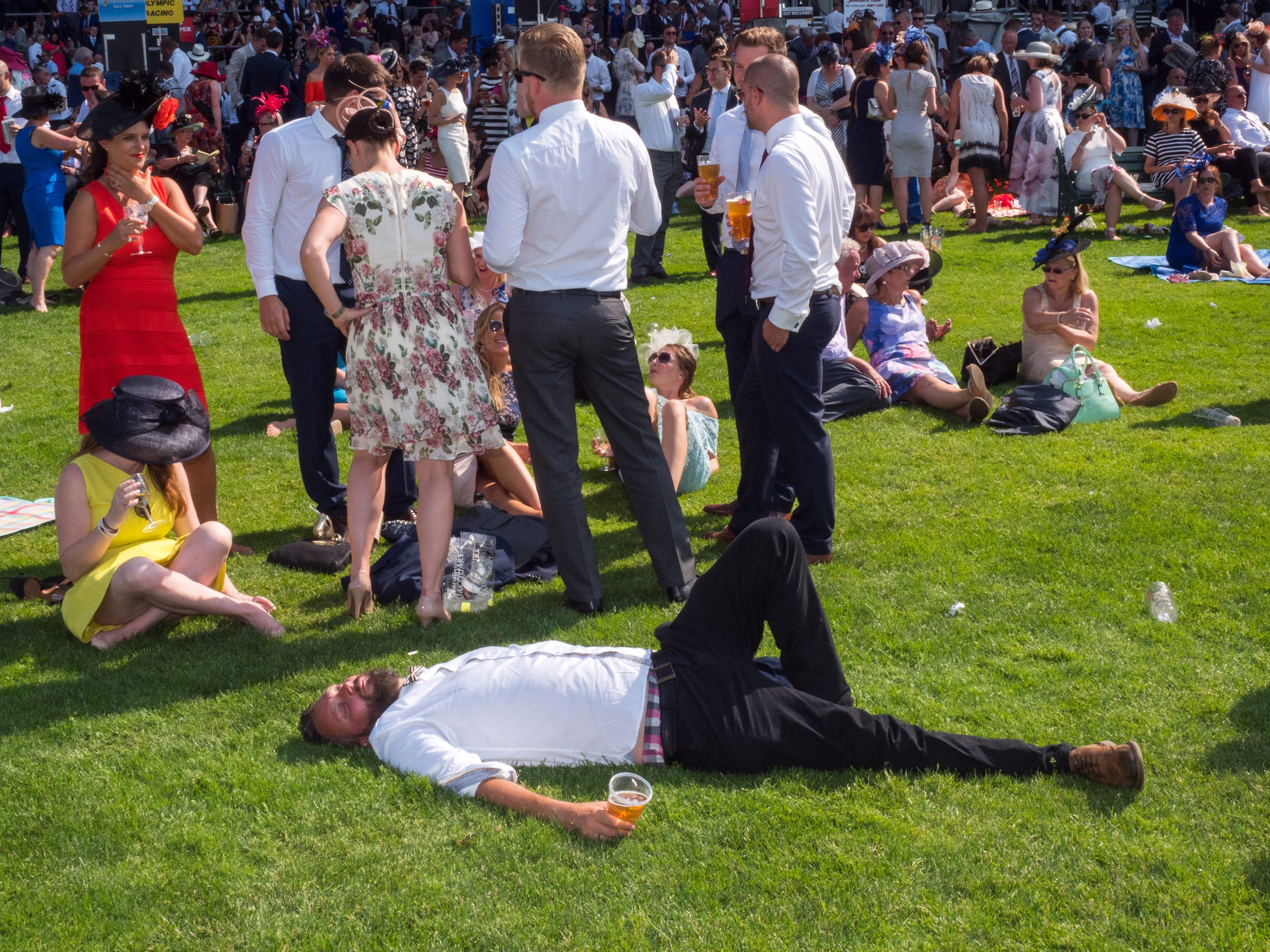
The English have turned drinking alcohol into a national obsession, nearly an art form. A few days of domestic significance is far too limiting to the imaginative English imbiber and hundreds of excuses have been found to indulge in a party. Binge drinking, followed by public order problems are common. Alcohol-related hospital submissions dominate news reports and there are medical opinions of a liver disease epidemic that could cripple the National Health Service. Documenting England’s relationship with alcohol, I’ve only been punched in the face once, and that was in the city of Leeds. If you’re familiar with Leeds, it’s not uncommon to leave without having been punched in the face. Now that they have left the EU, will the English drink more or less - is the tradition of crossing the channel to France to stock up on cheaper booze under threat?
English Abroad
If the English aren’t annihilating themselves drinking at home, the seafaring nation can be found partying abroad. The English like to be elsewhere. The waters that surround our island enable exploration and are a reminder that adventure awaits away from the get-me-outta-here English winter. After COVID lockdowns, the urge felt by the English to escape to a foreign beach, and slowly turn pink is stronger than ever. Will the English be welcome in Europe, were they ever and has patience for tolerating the badly behaved English run out?
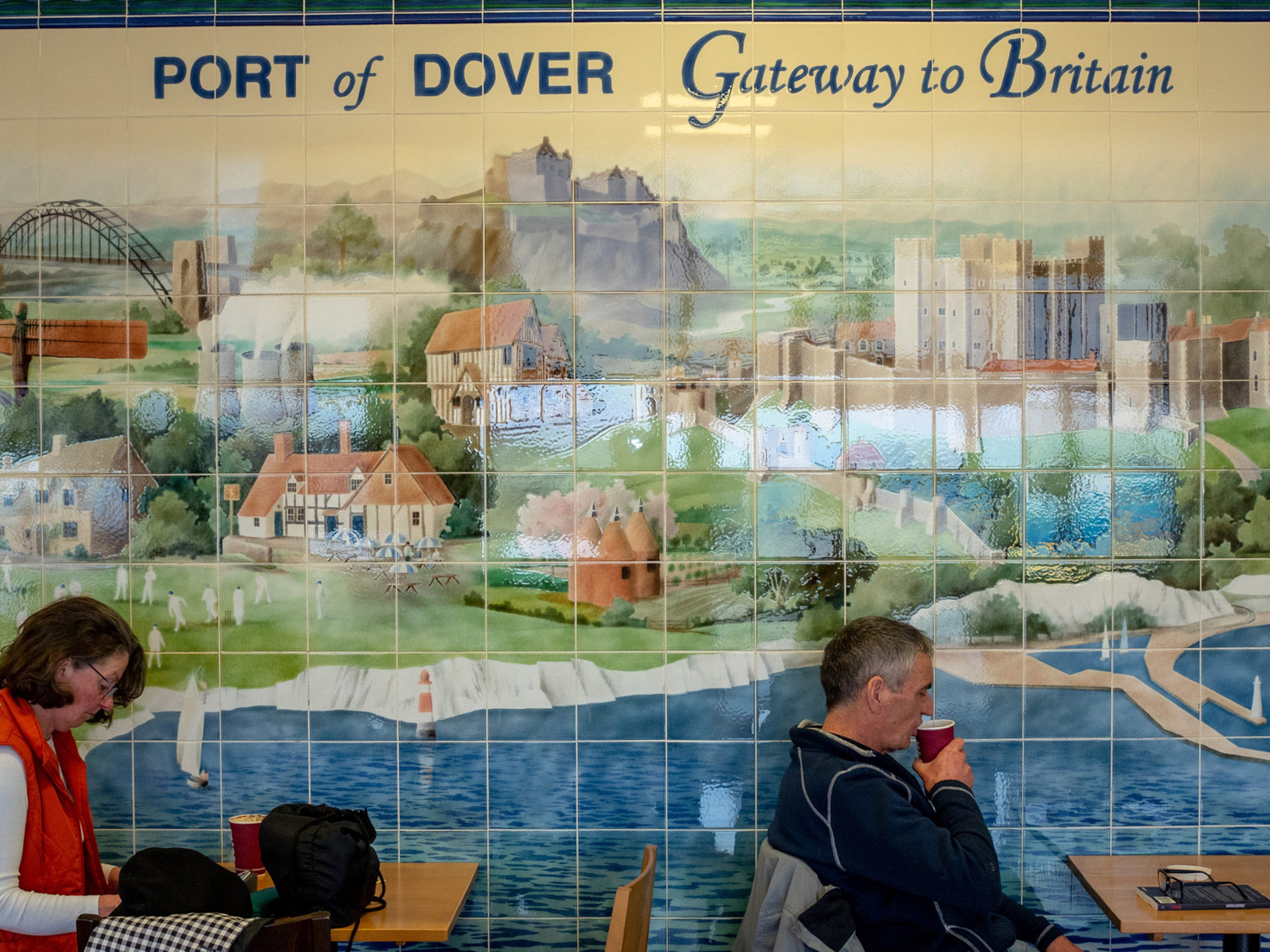
Life can at times be limiting and disappointing. When you’ve saved up all year for a week in the sun, sometimes all you can do as an Englishman (or woman) is book into a cheap hotel, fasten on your highest heels, pull on your shortest shorts, stick a coloured straw in a fishbowl full of Vodka, turn on and up the music, put your hands in the air, and party like you just don’t care, because next week you’ll be back working at the dead-end job you loathe.
Class
I first became class conscious in 1990 when I attended art college in Bournemouth and met former private schoolboys Alex and Piers. They patrolled the world with a confidence I’d not encountered before. I didn’t understand them but I wanted to understand. I was aware of the Royal Family but not the complexity of England’s class system. I have routinely used photography to explore and access as many posh institutions as possible - fee paying schools, aristocrats’ castles and the private members clubs along Pall Mall. Photographing at Eton College on a misty morning, you’d be forgiven for thinking an episode of The Crown or Bridgerton was being filmed. The famous schoolboys flap past in their black tailcoat, starched stiff collar, waistcoat with pinstriped trousers - the silk top hat once doffed at passing masters, sadly gone.
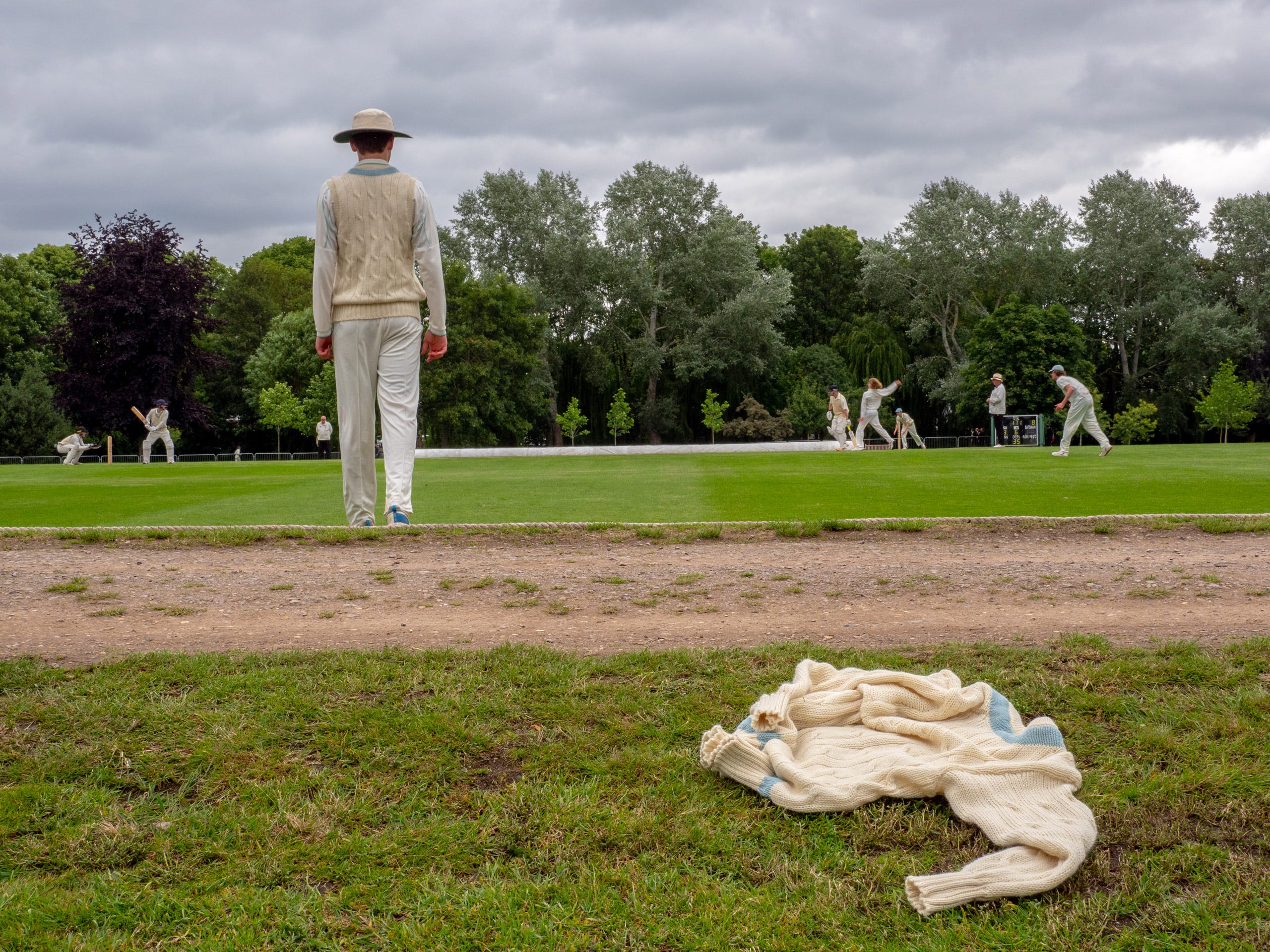
I did meet Her Majesty Queen Elizabeth II once. It didn’t go well. Aged 27, I was on assignment for The Sunday Times Magazine covering her 1999 tour of South Africa. At the ‘meet the press’ evening, as Her Majesty approached the small group I was with, my gin had run dry. I briefly excused myself and turned to get a refill - she gave me a stare that still makes me tremble. When Betty moved on, I was pulled to one side by an aide and firmly told that no one excused themselves from the Queen’s company - EVER!!! When my photographs were published, I received a fax which read; ‘The palace loved it.’ I think I’ve been forgiven. The Royal Family is like a classic Rolls Royce car, to be buffed-up and rolled out on special occasions. Expensive to run and makes the neighbours jealous.
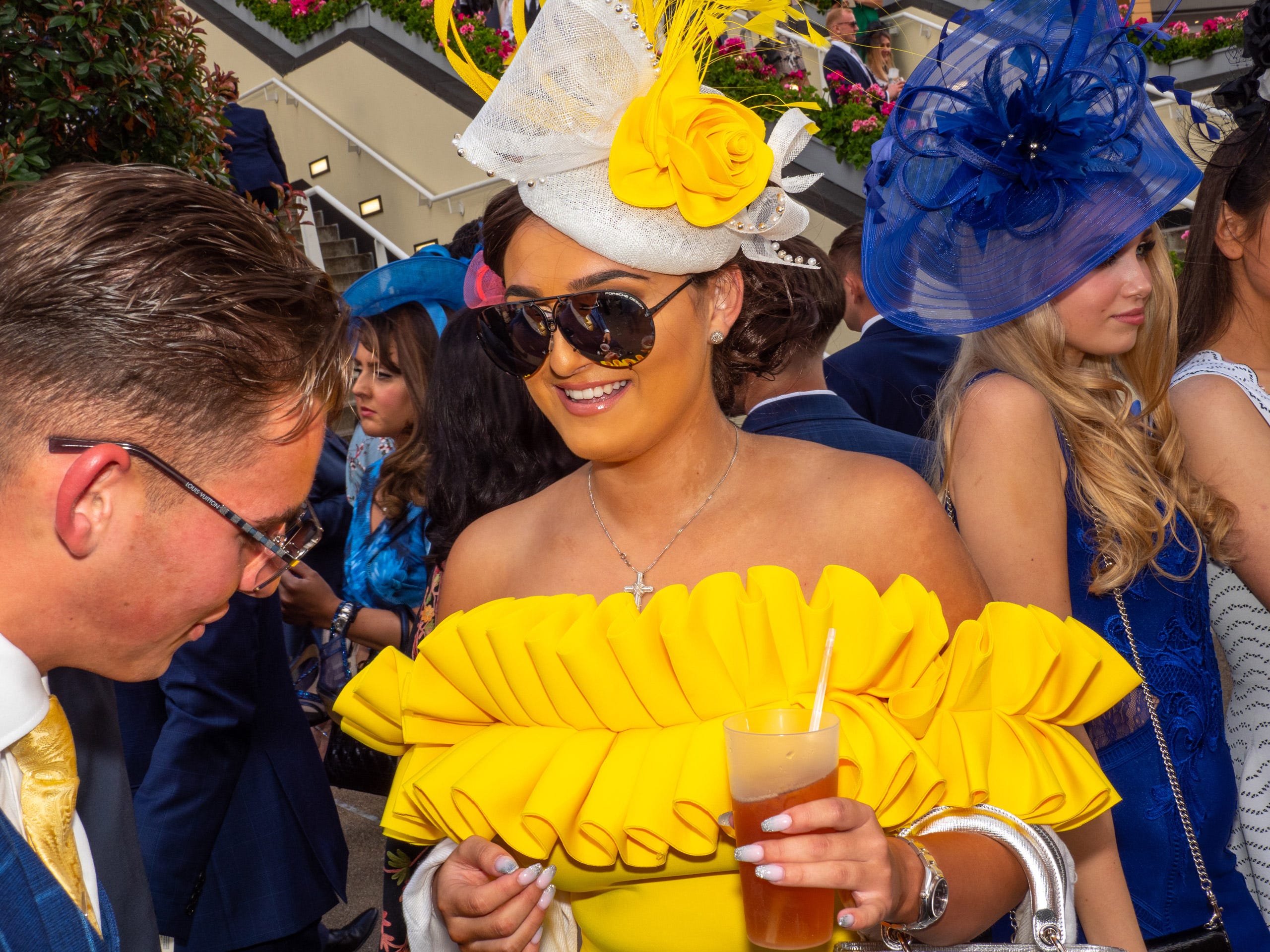
The English may hate the class system but through the comedy it provides and television programmes that reinforce stereotypes like Fawlty Towers and Brideshead Revisited, an affection for it remains. The class system in England has relaxed, events of the English summer season - Royal Ascot, Chelsea Flower Show, Cartier Queens Cup Polo and the Henley Royal Regatta - once the preserve of toffs - have become a free-for-all. Now more about money than class, they’re an opportunity for foreign billionaires and Essex men and women to assimilate into English culture and indulge in a spot of social climbing. Algernon and Montgomery have been replaced by Dmitri and Jack, Cecelia and Camilla by Tatyana and Stacey. The toilets at Ascot are littered with used prophylactics, sniffer dogs patrol the crowd, singing the national anthem more likely ends in a hooligan brawl than a courtly bow. So many of the people participating in England’s rituals look disappointed and confused, as if they can’t quite understand why they’re not having the marvellous time they were expecting.
Future
The coronavirus pandemic has skewed my vision of England. It has exacerbated faultiness and papered-over others. There is an urban and rural divide. North and south divide. London and everywhere else divide. There are racial and class divisions. Localised rioting wouldn’t be a surprise, civil war an outside bet.
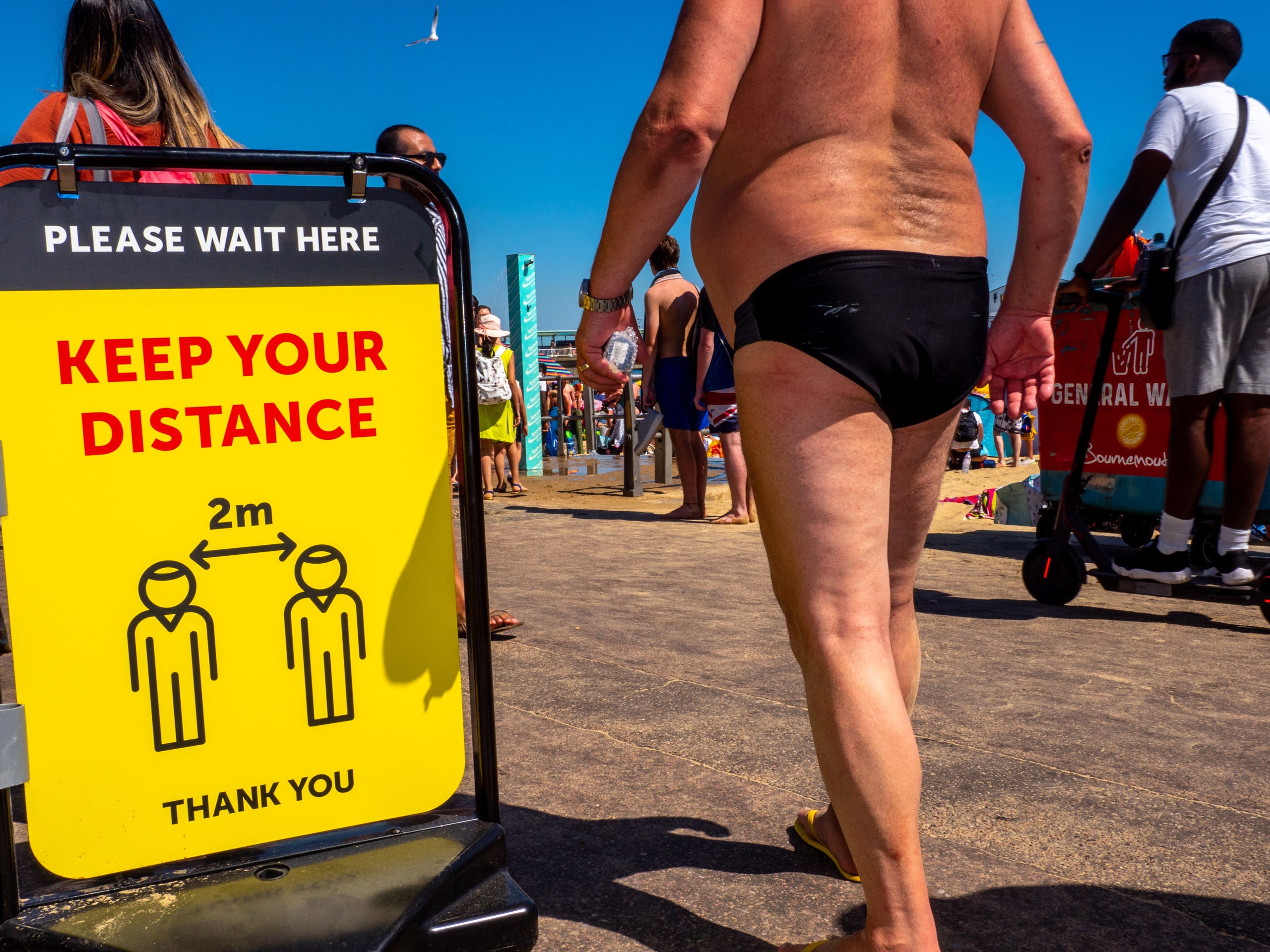
The English like to make laws and obey them, to rule yet be controlled - the great English queue is testament we understand to achieve great things, takes time. We can laugh at ourselves but no-one else is allowed to. Those that lost a lot during COVID lockdowns may have become more isolated. Those that have survived and thrived may indulge in an orgy of pleasure reminiscent of the Roaring Twenties, a decade of economic growth and widespread prosperity, driven by recovery from the devastation of WW1.
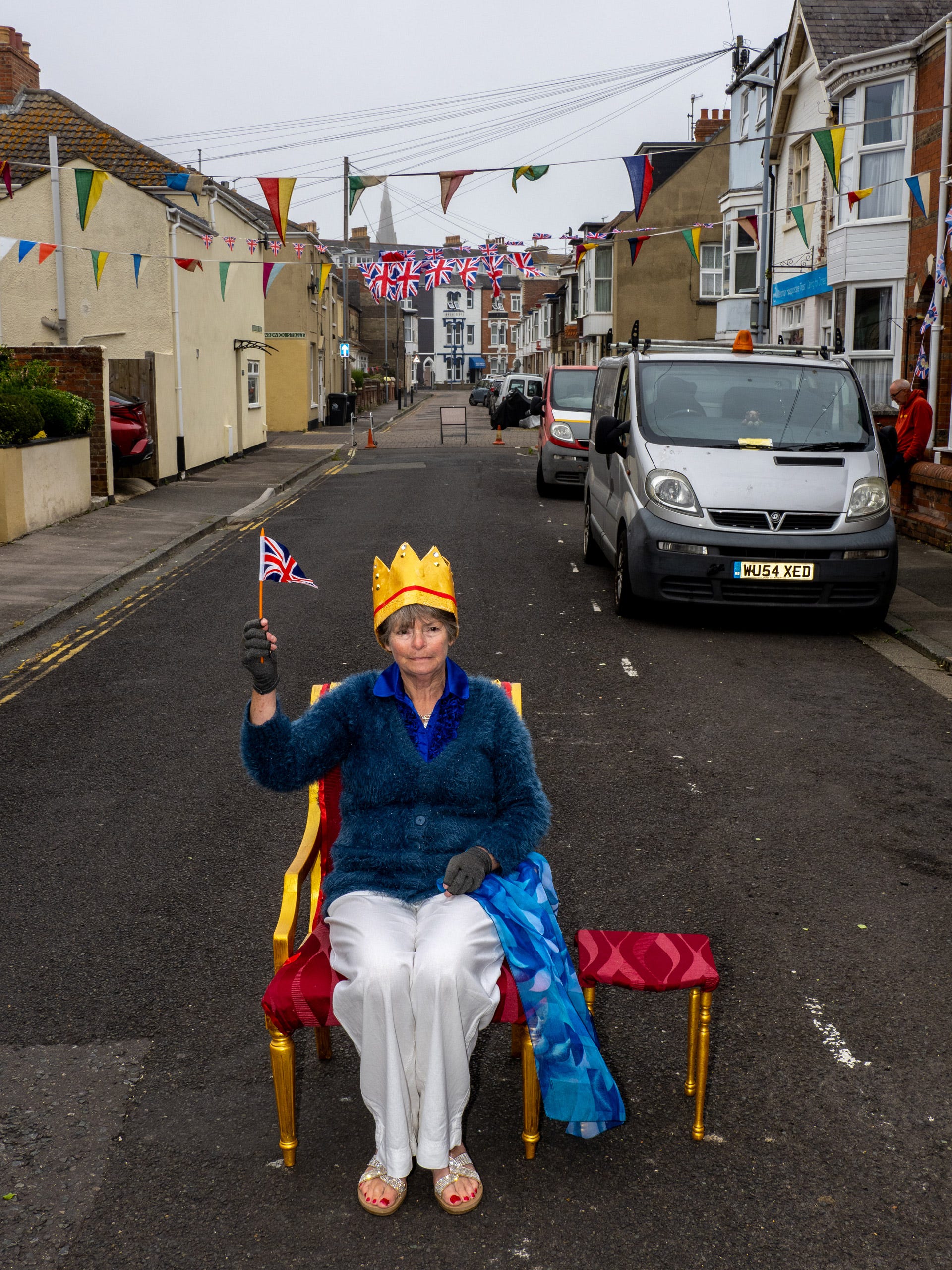
From the Newcastle Geordie to the London Cockney lilts, the seaside booze-up to the flag-waving Royal street party, all of these somehow in their own small way personify Englishness. We’re never all going to be the same, but we can be gloriously different - and still wear the red and white cross and collectively groan at England’s poor show at football penalties. Whatever becomes of England post Brexit, I’m pretty sure our quirkiness and humour will remain, and we’ll stoically erect a windbreak, zip up our rain jacket and embrace it, just like we do the great English weather.
All images ©Peter Dench 2025
It looks like with rising levels of inequality in this country and the impending swing to the right that will come because of it that Reform will win the 2029 General Election. If you go to Betfair now they're in the lead. It will only get worse as the living conditions of British people fall lower and lower and more and more blame is poured on the current Labour government. I photographed the English Defence League extensively from 2010 to 2013. I had thought to make a photo book someday but after the massive outpouring of support for Tommy Robinson in London last weekend there's no way I can make the book now. We've been gone too far. I am no longer a university academic so I don't have to fear the reprisals of the right, the hatred they have for the intellectual class. And I don't have to fear them for the colour of my skin or for where I was born. What I do fear is the impending waves of aggressive misogyny that come with any authoritarian state. When strong men rule it's women that suffer. I fear for my daughter's navigating a hostile and hateful Britain. I will be keeping my photographic mouth shut. I am enjoying seeing the outpouring of support for the Tommy Robinson protest by photographers on Instagram who went there and very much loved the event. Some even said they "felt safe in London for a change'. In 2007 I joked with Dan Chung and Daniel Berehulak that there were no far right photojournists.... How times change.
It is nice to read such an optimistic outlook of the country! You might be one of the best placed to articulate what it means to be British these days, a strange thing to say about someone who speaks so eloquently with pictures. On an unrelated note, if I ever right a book, one of the characters will definitely be called Pierre McDench!